
Why The Grief Bridge Exists
If you have been searching for suicide grief support that feels real, grounded, and informed, you are in the right place. I created The Grief Bridge because suicide loss can be isolating in a way many people do not understand. This is not easy work, but it is work. We can take this one breath, one minute, and one step at a time.
My Story
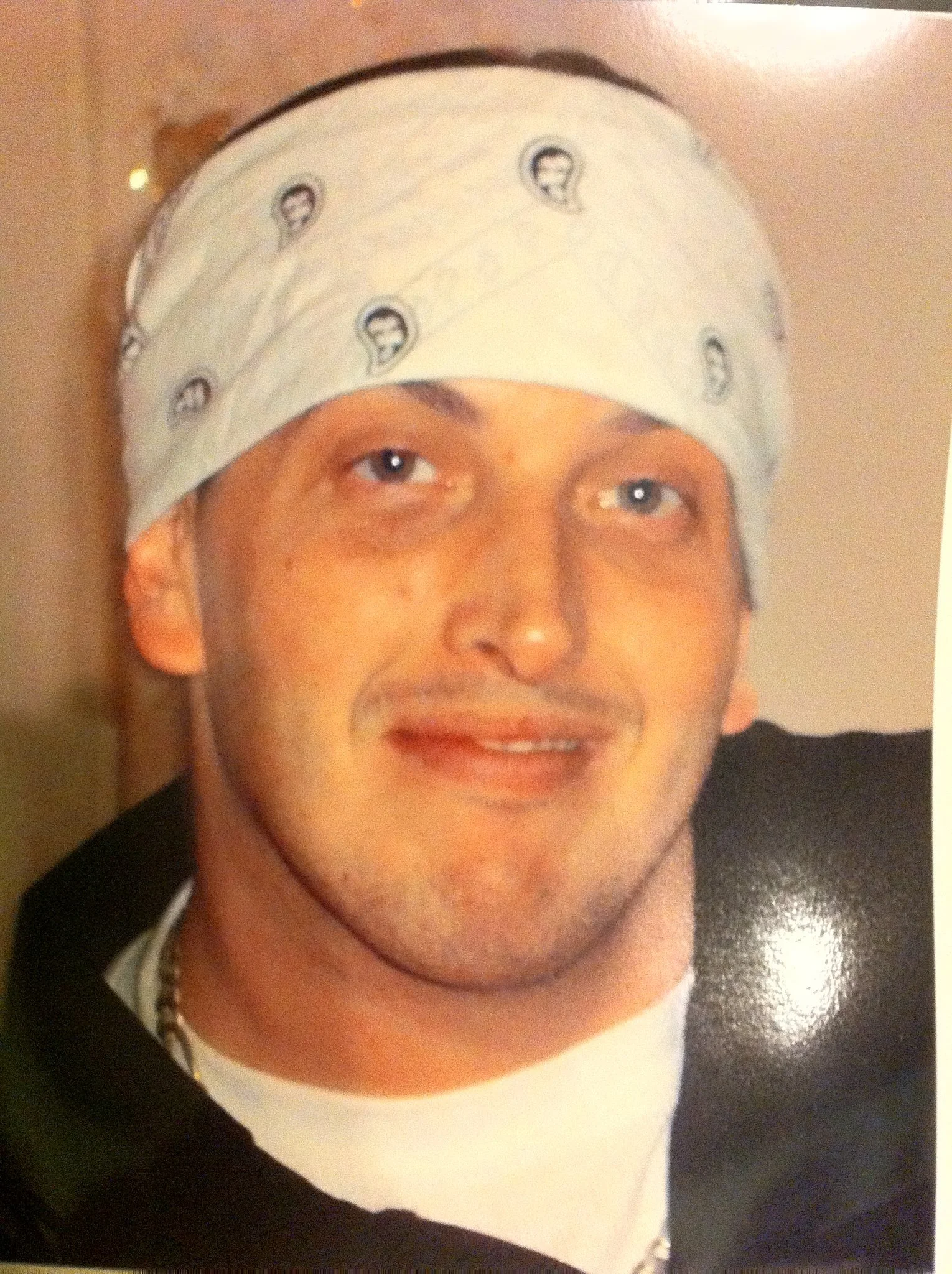
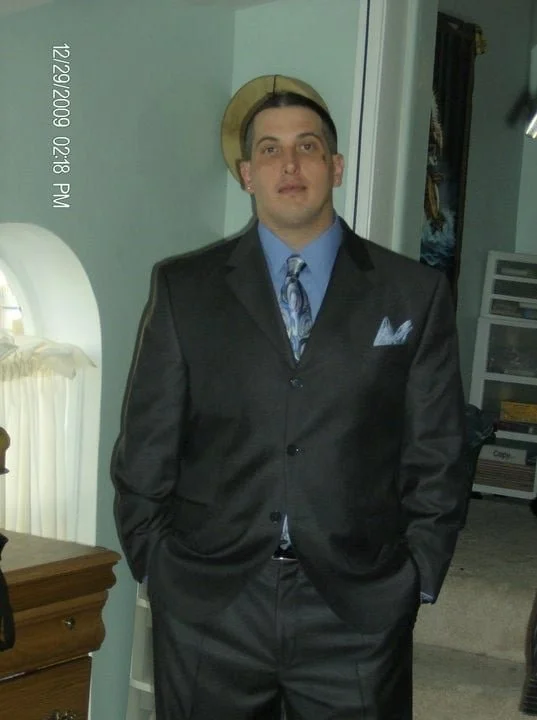
I did not come to this work from a textbook alone. I came to it through lived experience, the kind that changes the way you see the world. I lost my brother to suicide in 2011, and that loss started my own grief healing journey.
Suicide loss can leave you with shock, questions that loop, and a kind of grief that does not fit neatly into what others expect. It can also change how safe the world feels, how your body holds stress, and how you move through everyday life.
Over time, I learned something I now return to again and again with the people I support. You do not have to do all of this at once. You do not have to “be strong” in a way that hurts you. We focus on what is happening right now, what feels unbearable, and what helps you make it through the next moment with a little more steadiness.

My Approach
My approach is trauma-informed, validating, and practical. I will not offer platitudes. I will not rush you. I will not treat your grief like a problem to solve.
What I do offer is a space where you can tell the truth, where your emotions make sense, and where we can work with what suicide loss often brings, including guilt, anger, numbness, anxiety, intrusive thoughts, and the feeling that life will never feel normal again.
This work is about support, skills, and meaning over time. One breath. One minute. One step.
What Support Can Give You
“This Cannot Be Real”
Support to steady your nervous system, name what is happening, and build a plan for getting through the next hours and days.
Guilt, Anger, and the Endless Questions
A place to speak the thoughts many people keep hidden, without judgment. We work toward self-compassion and clarity without minimizing what happened.
Intrusive Thoughts, Anxiety, and Trauma Responses
Hard Dates and Learning How to Live Again
Tools to reduce overwhelm, manage triggers, and create safety in your body when grief shows up intensely.
Support through anniversaries, holidays, life transitions, and the long haul. We focus on coping, connection, and rebuilding meaning at a pace you can sustain.
What This Support Is, and What You Can Expect
**If you are in immediate danger or feel unable to keep yourself safe, please contact emergency services or a crisis resource in your area right away. This space is supportive, but it is not emergency care.
I am Christine Rifenburgh, MSW, a grief coach and grief educator. My work is not therapy, and I do not accept insurance at this time. What I offer is coaching and grief education that is informed by both professional training and years of supporting survivors.
My background includes:
Master of Social Work (MSW)
Certified Grief Coach
Certified Grief Educator
Certified Mental Health First Aid
Over 11 years supporting survivors of suicide loss through community work, groups, and 1:1 support
AFSP certified in suicide bereavement support group co-facilitator
Author of After the Shock: Surviving the First 90 Days After a Suicide Loss
Author of After the Wreckage: Building a Meaningful Life from the Pieces Left Behind by Suicide Loss
In our work together, you can expect a space that is steady, respectful, and honest. We will focus on what you are living through, what you need right now, and what helps you keep going in a way that does not abandon you.
Getting Started
If you are not sure where to begin, that is okay. Most people are not. The first step is simply a consult where we talk about what you are facing and what kind of support would help.
You do not need a polished story. You do not need to explain everything. You can show up exactly as you are, and we will start from there.